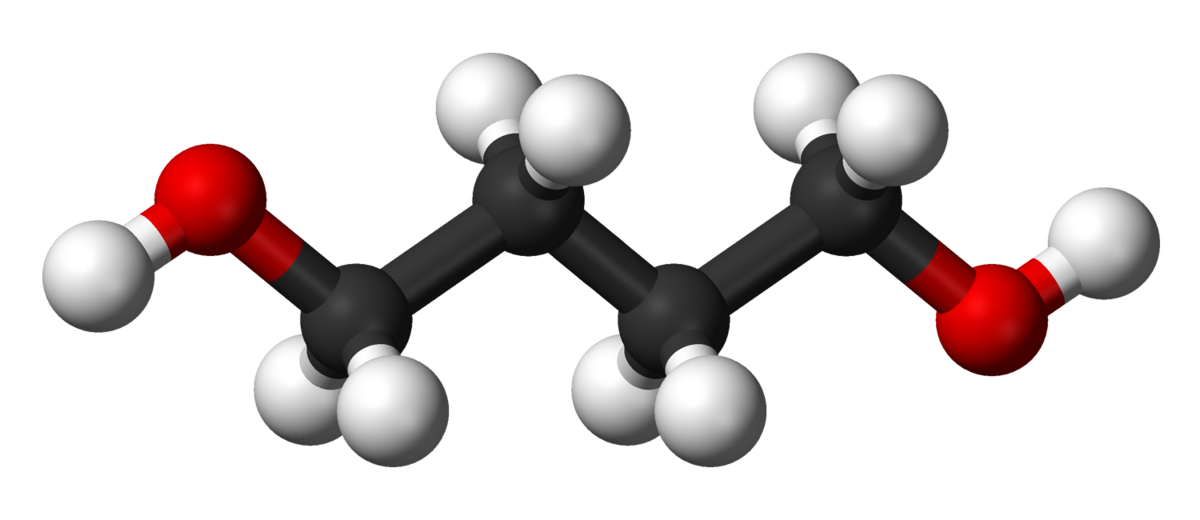
1,4-Butanediol
1,4-Butanediol: Health Risks, Misuse & Safety Regulations”
13
Oct
Oct
1,4-Butanediol (BDO) is a widely used industrial chemical and solvent, essential in manufacturing spandex (THF/PTMEG), PBT engineering plastics, and polyurethanes. While legitimate in industry, misuse of BDO as a recreational substance poses serious health risks because the body converts it into gamma-hydroxybutyrate (GHB), a controlled narcotic with sedative effects.
This dual identity makes BDO both an industrial asset and a regulatory concern.
Health Risks of 1,4-Butanediol
1. Toxicity & Pharmacology
Once ingested, BDO is metabolized by alcohol dehydrogenase into GHB, a potent central nervous system depressant.
Effects: euphoria, sedation, slowed reflexes, respiratory depression.
Risks: seizures, coma, and fatal overdose when combined with alcohol or other depressants.
2. Documented Misuse Cases
Clinical case reports document acute poisoning, agitation, vomiting, and respiratory distress from BDO misuse.
Dependence and withdrawal symptoms similar to GHB have been recorded.
Fatal outcomes are linked to uncontrolled recreational consumption.
3. Workplace Safety
Industrial exposure risks include skin and eye irritation and hazards from inhalation of vapors.
OSHA and EU safety data sheets recommend PPE, ventilation, and spill precautions in handling.
Misuse & Public Health Concerns
BDO has been mis-sold as a “legal high” or “liquid ecstasy” due to its GHB-like effects.
Online forums and illicit supply chains have contributed to misuse trends.
Public health agencies warn that dose variability makes it especially dangerous compared to pharmaceutical sedatives.
Safety Regulations Worldwide
United States
BDO is not explicitly scheduled under the Controlled Substances Act, but under the Federal Analogue Act, it can be treated as a Schedule I analogue of GHB if intended for human consumption.
DEA and DOJ have prosecuted distributors marketing BDO for ingestion.
European Union
Classified under CLP (Classification, Labelling and Packaging) with hazard warnings.
Registered under REACH, requiring safety data sheets, exposure controls, and restricted consumer use.
Australia & Other Jurisdictions
Strict precursor controls apply, with bans in consumer products to prevent diversion into misuse channels.
Compliance & Safety Recommendations
For Industry Users
Ensure clear labelling: “For Industrial Use Only – Not for Human Consumption.”
Maintain robust customer vetting to prevent diversion.
Comply with REACH, OSHA, and TSCA obligations.
For Safety Officers & Distributors
Provide training and PPE for staff handling BDO.
Implement spill containment protocols.
Track chain of custody to reduce misuse risk.
For Policymakers & Regulators
Balance industrial value with misuse prevention.
Strengthen awareness campaigns and international data sharing on diversion cases.
Key Takeaways
Industrial role vs. public risk: 1,4-Butanediol is critical for manufacturing but dangerous if misused as a recreational drug.
Health risks: Its conversion to GHB makes it toxic, addictive, and potentially fatal in misuse cases.
Regulations: Global frameworks vary—strict in some regions, analogue-based in others.
Safety first: Proper labeling, compliance, and awareness are essential to protect both workers and the public.
